Understanding Braille for the Elderly
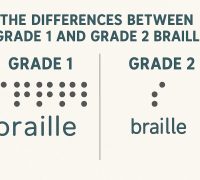
Braille is a tactile writing system that has been employed extensively by blind and visually impaired individuals for many years. It provides a means for them to read through the sense of touch by using a series of raised dots to represent letters and numbers. This accessibility aspect is critical, particularly for elderly individuals who are experiencing vision loss. Learning braille can offer numerous practical benefits in their everyday lives, thereby fostering a sense of self-reliance and autonomy.
Benefits of Braille for Older Adults
As individuals age, vision loss can become a prevalent issue, impacting their ability to perform daily activities. Implementing braille in their daily routine can help maintain a degree of independence that may otherwise be lost. Braille plays an invaluable role in various facets of life, such as reading medication labels. This capability ensures correct dosages are adhered to, decreasing the reliance on others for medical management. Moreover, braille facilitates the reading of mail and personal notes, allowing the individual to maintain their privacy and handle personal affairs independently.
Improved Communication and Social Interaction
The ability to read and write in braille can significantly enhance communication for elderly individuals, particularly those residing in assisted living facilities or living with family members. By incorporating braille into their written communication, older adults can stay connected with their environment and those around them. It enables them to read handwritten notes or printed material when provided in braille, thus bridging potential communication gaps. This level of interaction is imperative not only for maintaining relationships but also for enhancing the quality of life.
Enhanced Cognitive Function
Stepping into the realm of learning new skills such as braille can offer a substantial boost to brain function and improve cognitive faculties. Aging often brings about mental decline, but engaging with activities like learning braille involves memorizing new patterns and building mental agility. These tasks serve as important cognitive exercises, stimulating brain function in a way that can be both rewarding and beneficial. Through such engagement, elderly individuals can keep their minds active, sharpening their mental acuity and slowing potential cognitive decline.
Challenges and Considerations
Despite the numerous advantages that braille offers, there are certain challenges associated with its adoption, particularly for the elderly. One of the main hurdles is the tactile sensitivity required to read braille, which can diminish with age due to natural changes in skin texture and nerve function. Therefore, providing personalized training sessions that accommodate and focus on individuals’ capabilities is essential. These sessions should be tailored, allowing for gradual learning according to the individual’s pace and comfort level. Furthermore, environmental adjustments such as proper lighting and adequate contrast are crucial for those experiencing partial vision loss, assisting them in better navigating their surroundings and reading braille more effectively.
Support and Resources
Support for learning and using braille is readily available from both local and international organizations dedicated to assisting visually impaired individuals. These organizations provide a robust array of resources and support tailored specifically to cater to varying needs. Often, they host workshops aimed at effectively teaching braille, in addition to offering adaptive technology that enhances the learning experience. Tapping into these resources can greatly aid the transition and learning process. For example, contacting groups like the American Foundation for the Blind can provide a wealth of resources and support, helping to make the journey as smooth and fruitful as possible.
Conclusion
To conclude, while vision loss in elderly individuals presents significant challenges, adopting braille offers a viable and effective solution for overcoming many of these hurdles. Braille promotes independence, invigorates cognitive sharpness, and facilitates social connections, albeit with some necessary accommodations. As more organizations put effort into developing resources and support systems, braille has the potential to become an essential tool for a growing number of older adults coping with vision impairment. Embracing this method can mark a positive shift toward empowering elderly individuals, enabling them to maintain their quality of life and engage more fully with the world around them. Additionally, continuous encouragement and support from family, caregivers, and community services will play a pivotal role in ensuring that the adoption of braille is not only successful but also beneficial in the long term.