The Evolution of Braille Keyboards and Input Devices

The Early Development of Braille Keyboards and Devices

The intersection of technology and accessibility finds a remarkable expression in the development of Braille keyboards and input devices. This evolution marks not just a technological journey but an essential advancement in empowering the visually impaired community. The concept of Braille itself emerged in the early 19th century, conceived by Louis Braille as a tactile writing system to enable blind individuals to read and write independently. However, the development of Braille keyboards, as we understand them today, truly gained momentum in the mid-20th century, coinciding with digital advancements.

The First Braille Typewriter

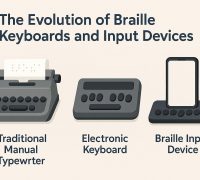
In 1951, the introduction of the Perkins Brailler marked a significant milestone in the development of Braille input devices. This mechanical typewriter was specifically crafted to emboss Braille characters onto paper, a straightforward yet revolutionary tool. With six keys corresponding to the six dots of a Braille cell, the Perkins Brailler enabled efficient manual writing. Despite its purely mechanical construction, it laid the groundwork for the future of Braille input technology.

The Advent of Electronic Braille Keyboards

The growing accessibility of computer technology in the 1980s paved the way for electronic Braille keyboards. As more people began using computers, the need for Braille-compatible input devices became increasingly apparent. The first electronic Braille keyboards emerged during this time, designed to bridge the gap between the digital world and the needs of vision-impaired users. These keyboards transformed typed input into Braille and vice versa, making it easier for users to interact with computers. Often featuring refreshable Braille displays, these devices offered dynamic, tactile access to digital information, revolutionizing how visually impaired individuals engaged with technology.

Integration with Modern Technology

As technological advancements continued into the late 20th and early 21st centuries, Braille input devices evolved to be more compatible with modern computing technologies. Devices like the BrailleNote and the BrailleSense not only catered to the basic needs of writing and reading Braille but also provided comprehensive solutions for tasks such as note-taking, email communication, and web browsing, all through an intuitive Braille interface. These devices were crucial in ensuring that visually impaired users could access and interact with digital content independently and efficiently.

The Role of Smartphones and Tablets

The advent of smartphones and tablets marked a revolutionary phase in the evolution of Braille keyboards. With these new platforms, developers shifted their focus toward creating tactile interfaces that utilized touchscreen technology. Innovations like the Blitab—which holds the distinction of being the first tactile tablet for visually impaired individuals—have fundamentally changed how Braille input devices function in mobile environments. These advances have not only enhanced interaction and communication for blind users but have also unlocked new opportunities in education, allowing a more inclusive approach to digital interaction.

Current Trends and Future Directions

In today’s world, Braille input devices continue to evolve as technology advances further. There is a noticeable trend toward developing devices that are not only more portable and efficient but also more user-friendly. For instance, the progress in creating multi-line refreshable Braille displays represents a promising trend in this field. These devices offer the potential for improved contextual understanding when reading Braille. Furthermore, the integration of voice recognition and AI technologies into Braille keyboards holds the promise of making these tools even more accessible and functional. By incorporating such smart technologies, users can experience a more seamless interaction with their devices, transforming the way they perform daily tasks.

The continuous evolution of Braille keyboards and input devices underscores the critical importance of accessibility in our increasingly technology-driven world. By remaining proactive in the development of inclusive technologies, we ensure that everyone, regardless of their physical abilities, can participate fully in the digital age. This ongoing commitment to accessibility not only empowers the visually impaired but enriches the broader society by promoting inclusivity and equal opportunity.
The Importance of Braille in Voting and Election Materials

The Role of Braille in Voting

Braille remains a cornerstone in enabling individuals who are blind or have severe visual impairments to fully engage in democratic processes. Its significance transcends the simple act of reading; it is a tool of empowerment and a key to achieving independence and equal opportunity in various aspects of life, including the vital act of voting.

Equal Access to Voting Materials

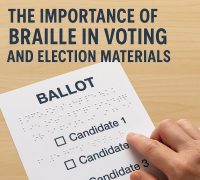
Achieving accessible voting is a fundamental right that should be guaranteed to all individuals, irrespective of any impairments they may face. The availability of election materials such as ballots, informational pamphlets, and brochures in Braille ensures that visually impaired voters can participate fully in electoral processes. This provision is critical because it allows them to engage with and comprehend the material independently and privately, without the need to depend on another individual’s assistance.

When election authorities provide materials in Braille, they are not merely offering an alternative format but are actively promoting inclusivity. This effort ensures a level playing field, allowing visually impaired voters to make informed decisions just like any other voter. By enabling this independence, voters gain a sense of empowerment and confidence, knowing they have the tools to effectively participate in shaping their governmental landscape.

Legal Mandates and Accessibility

In many countries around the world, there are legal frameworks in place that require voting materials to be accessible to all citizens, including those who are blind or visually impaired. This includes the obligation to provide ballots and other election-related documentation in Braille. Legislation like The Americans with Disabilities Act (ADA) in the United States sets forth guidelines to promote accessibility and inclusion, ensuring that everyone has an equal opportunity to engage in the electoral process.

These legal mandates require election officials to go beyond mere compliance and genuinely understand the unique needs of visually impaired voters. Compliance with such legislation is essential to safeguard the rights of blind voters, ensuring that they can participate in elections without facing undue barriers or challenges.

Understanding Voter Rights

For blind voters, having a comprehensive understanding of their rights is of utmost importance. Election authorities bear the responsibility of informing these voters about the accommodations available to them, such as the provision of Braille ballots and other assistive measures. Without this crucial information, visually impaired individuals run the risk of being disenfranchised due to a lack of knowledge about the resources and accommodations to which they are entitled.

Educational campaigns and informational resources provided by election officials play a pivotal role in ensuring that blind voters are aware of their rights. This proactive approach reduces the chances of voter suppression and helps create an electoral environment where all individuals feel confident and empowered to exercise their voting rights.

Technological Advances in Braille Voting

In recent years, technological advancements have significantly facilitated accessible voting for individuals who are blind or visually impaired. The introduction and widespread adoption of electronic voting machines equipped with Braille interfaces and audio assistance have marked a major leap forward in ensuring that these voters can exercise their rights independently and with confidence. The development and integration of such technology demonstrate a commitment to creating an inclusive voting experience for all.

These technological innovations require regular updates and maintenance to ensure they function effectively during elections. Election authorities must allocate resources to ensure the proper operation of these machines, preventing any technical glitches that could potentially hinder the voting experience for visually impaired individuals.

The Impact of Inadequate Access

The absence or inadequacy of Braille voting materials poses a significant barrier to the democratic process for individuals who rely on this format. When Braille materials are insufficient or not readily available, these individuals face considerable challenges in verifying their votes and understanding complex electoral issues. Such obstacles can discourage participation and contribute to the disenfranchisement of visually impaired voters.

To uphold the integrity of the electoral process, it is essential that Braille voting materials are readily accessible to those who need them. This ensures that blind voters can engage with election materials effectively and strengthens the overall fairness and inclusivity of the electoral system.

Community and Advocacy

Community organizations and advocacy groups serve as vital allies in highlighting the importance of Braille in elections. These entities work tirelessly to ensure that election officials are fully aware of the needs of blind voters. By advocating for necessary changes and accommodations in the voting process, they play a significant role in fostering a more inclusive electoral environment.

The efforts of these organizations extend beyond Braille access, promoting broader electronic and manual voting access for all visually impaired individuals. Through their advocacy, they help bridge the gap between legally mandated accessibility and the practical realization of these requirements during actual elections. Their persistence is instrumental in shaping policies and practices that cater to visually impaired voters, ultimately contributing to a more democratic and inclusive society.

In conclusion, the role of Braille in voting is multi-faceted and crucial to ensuring that visually impaired individuals can participate in democratic processes with autonomy and dignity. From legal mandates to technological advancements and community advocacy, numerous factors contribute to the accessibility and inclusivity of the electoral process for blind voters. As society progresses, continued efforts are needed to maintain and enhance these provisions, ensuring that all citizens have an equal opportunity to engage in shaping their governance, irrespective of visual impairments.

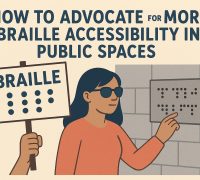
How to Advocate for More Braille Accessibility in Public Spaces

The Importance of Braille Accessibility

Braille, a tactile writing system, plays a vital role in enabling independence and literacy for individuals who are blind or have severe vision impairments. As a standardized method of reading and writing, Braille not only aids in education and employment but also ensures that these individuals can navigate the world with greater autonomy. Unfortunately, despite its critical importance, Braille accessibility in public spaces is frequently neglected. In this article, we will explore effective strategies for advocating enhanced Braille accessibility in various environments.

Understanding Current Regulations

Before embarking on any advocacy journey for Braille accessibility, it’s essential to be well-versed in the existing regulations that govern its implementation. Various countries have enacted laws to ensure Braille is part of public signage and facilities. For instance, in the United States, the Americans with Disabilities Act (ADA) mandates the inclusion of Braille on signage in public buildings. However, implementation and enforcement of these laws can vary considerably. Understanding these nuances is crucial, as it provides a foundational knowledge that can significantly inform advocacy efforts. It is also important to consider differences in regional regulations and how they might affect the strategies used to enhance accessibility.

Engage with Local Government and Authorities

One of the most impactful ways to advocate for Braille accessibility is by engaging directly with local government and public authorities. Attending council meetings provides an opportunity to bring attention to accessibility issues in public forums where decisions are made. During such meetings, raising concerns and suggesting improvements can be instrumental in ensuring that Braille accessibility receives the attention it deserves. Additionally, reaching out to legislators through emails or formal letters can serve as a prompt for discussions that could lead to policy enhancements or adjustments. Engaging with local authorities not only puts the issue on their radar but also helps build relationships that can facilitate long-term advocacy efforts.

Partner with Advocacy Organizations

Teaming up with existing advocacy organizations can greatly bolster efforts to advance Braille accessibility. Numerous organizations specialize in disability rights and focus on creating inclusive communities. These organizations possess resources, expertise, and experience that can significantly aid in pushing for more Braille-friendly public spaces. Organizations like the American Foundation for the Blind and the Royal National Institute of Blind People are established entities that can be potential partners. Collaborating with these organizations also offers a platform for sharing ideas and strategies, facilitating a more robust and coordinated advocacy campaign.

Educate the Community

Raising awareness within the community about the importance of Braille is another crucial aspect of advocacy. By organizing workshops, writing informative articles, or utilizing social media, advocates can educate others about the everyday challenges faced by individuals who rely on Braille and the solutions that this tactile system offers. When the general public becomes aware of these issues, there is often an increase in support for initiatives aimed at improving accessibility. Community education can also lead to more people recognizing the importance of advocating for accessibility, potentially leading to a stronger collective push for change.

Encourage Inclusive Design

Advocacy for Braille accessibility should extend to the realm of design, emphasizing the importance of inclusive design principles. Architects, urban planners, and developers should be encouraged to integrate Braille and other accessible features into their projects from the outset. Open communication with professionals in these fields can ensure that the needs of individuals with vision impairments are considered in the design and renovation of public spaces. Encouraging inclusive design not only benefits those who are blind but also contributes to a more welcoming and accommodating environment for everyone.

Monitor and Report Accessibility Issues

After initial steps are taken toward improving Braille accessibility, it is critical to maintain a system of continuous monitoring. This involves not only ensuring that improvements are sustained but also identifying and reporting ongoing issues to the relevant authorities. Continuous advocacy is necessary to make sure that standards are upheld over time and that evolving needs are addressed. In addition, monitoring can reveal areas where further improvements are needed, ensuring that advocacy efforts are dynamic and responsive to the needs of the blind community.

The Role of Technology

Technology has an increasingly important role in enhancing Braille accessibility. Innovations in assistive technology can complement traditional Braille implementations in public spaces, offering expansive solutions that cater to a broader scope of needs. Technology can introduce dynamic, adaptive solutions that can be more easily updated and maintained than physical Braille alone. Advocates should support advancements in this space, recognizing that technology can play a significant role in future-proofing accessibility efforts and making the world more inclusive for those who rely on Braille to communicate and navigate their environment.

In conclusion, the pursuit of increased Braille accessibility in public spaces requires a multifaceted and ongoing advocacy approach. By thoroughly understanding and leveraging existing regulations, actively engaging with governmental authorities, forming strategic partnerships with advocacy organizations, educating the broader community, promoting inclusive design practices, monitoring compliance and adaptation efforts, and embracing technological advancements, substantial progress can be made. These efforts collectively contribute to the creation of public spaces that are accessible to all, ensuring that individuals who are blind can fully participate in society and lead independent, empowered lives.

The Development of Wearable Braille Technology

Understanding Wearable Braille Technology

Wearable Braille technology represents a transformative innovation for individuals with vision impairments, allowing them to access digital information in a tactile format. As technology advances, providing inclusive tools for all users becomes increasingly important. This article delves into the evolution, integration, and future of wearable Braille technology, providing deeper insights into its current and potential impact.

The Evolution of Braille Devices

Braille technology has seen unparalleled growth and sophistication since its inception. Traditional Braille, famously developed by Louis Braille in 1824, laid the foundation for tactile reading systems. However, since its initial development, numerous transformations have occurred, allowing Braille to adapt to the burgeoning digital age.

Initially, early Braille devices were quite large, static, and primarily analog, limiting their portability and user convenience. These devices offered limited connectivity and usability, often tethered to specific settings or environments. Over time, crucial technological breakthroughs in microelectronics began facilitating smaller, more efficient components. As a result, we now see Braille devices that are significantly more portable and user-friendly. Additionally, these advancements introduced the integration of haptic feedback systems, ensuring a more seamless and intuitive user experience.

Integration of Wearable Technology

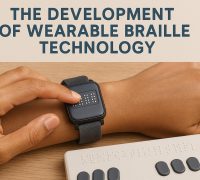
Today’s wearable Braille devices strive to offer users a comprehensive and fluid interface with digital environments without cumbersome equipment. This integration focuses on designing devices that are not only efficient but also lightweight and portable. As these devices become more user-centric, they are increasingly designed to be worn comfortably during daily activities, thereby enhancing the quality of life for users.

Smart Gloves: Among the standout innovations in this domain are smart gloves. These gloves are enhanced with advanced sensors and actuators that can convert digital text into tactile Braille patterns on the user’s fingertips. By connecting to smartphones and other digital devices, smart gloves can deliver real-time translations of various digital content, be it text messages, emails, or online reading material. This connectivity makes smart gloves an invaluable tool for accessing immediate information.

Tactile Wristbands: Another notable innovation is the tactile wristbands, which employ sophisticated haptic technologies. These wristbands communicate information via specific vibration patterns on the wearer’s skin. Through this method, users can receive notifications or short text messages rendered in Braille, making digital communication accessible for more immediate and brief interactions.

The Role of Connectivity and Software

The effectiveness of wearable Braille devices significantly hinges on their connectivity features. Features such as Bluetooth and Wi-Fi are fundamental, facilitating seamless synchronization with other smart devices. This connectivity offers enhanced convenience, enabling users to transition from one device to another effortlessly.

The complementary software applications developed for these devices further elevate their functionality. These applications are designed to convert an array of digital formats into Braille, thereby broadening the expanse of accessible content for users. Such software tools play a pivotal role in ensuring that wearable Braille devices can cater to diverse digital content, from reading books to browsing the internet and handling other online functionalities.

Challenges and Future Prospects

Even though wearable Braille technology has transformative potential, it is not without its challenges. One of the primary hurdles is the cost of production, which often results in these devices not being as accessible to the larger population as desired. The investment required for the research, development, and manufacturing processes often contributes to the higher pricing of these innovative solutions.

Moreover, the challenge of developing diverse and nuanced tactile feedback systems persists. Such systems need to accurately convey intricate and complex information through Braille, offering users a full representation of digital information. Meeting this requirement involves both enhancing the precision of feedback technology and expanding the linguistic and conceptual capabilities of tactile displays.

Despite these challenges, the future of wearable Braille technology remains bright and promising. Continuous research and technological advancements suggest more cost-effective and innovative solutions on the horizon. The consistent progress in microtechnology, AI, and haptic feedback holds the potential to minimize production costs and enhance the translation accuracy of digital content into Braille.

Eventually, these ongoing efforts will make accessible digital information a reality for all users reliant on Braille. Additional insights into wearable Braille technology can be gained from organizations dedicated to accessibility advancements, such as the National Federation of the Blind or Perkins School for the Blind, both of which are actively engaged in advocating, researching, and developing solutions for the visually impaired community. These organizations remain at the forefront of ensuring that the future is inclusive, equitable, and accessible for everyone.

How Braille Helps Blind Individuals in STEM Fields

The Role of Braille in STEM Education for the Blind

Braille serves as an indispensable tool for empowering blind individuals, offering them the ability to independently access information. Within the realms of STEM—an acronym for Science, Technology, Engineering, and Mathematics—Braille plays a pivotal role in narrowing the accessibility gap and enabling blind students to fully engage with complex, technical subjects.

Understanding Braille

Braille is a tactile system of reading and writing characterized by raised dots, which symbolize letters, numbers, and punctuation marks. By engaging this system, individuals who are blind gain the capacity to read and write through touch, which forms the basis for autonomous learning and effective communication. Braille is therefore a critical element in the educational process, providing independence and fostering equality in learning opportunities, particularly in STEM subjects.

Accessibility and Independence

In STEM fields, accessibility through Braille opens doors to a wide array of information resources, including textbooks, academic notes, and research papers. Understanding complex concepts and information in STEM disciplines often requires more than auditory learning resources, making Braille an essential tool. Through Braille, blind students can actively participate in a variety of educational activities, reducing their reliance on audio content or assistance from sighted individuals. This independence is crucial for fostering a sense of confidence and proficiency in tackling intricate scientific ideas and methodologies.

Interactive Learning Tools

Technological innovations such as refreshable Braille displays dramatically enhance participation and interaction within STEM education. By converting digital text into Braille, these devices facilitate a dynamic learning experience for blind individuals. These tools connect seamlessly to computers and smartphones, opening up a broad spectrum of digital content. Their real-time interaction capability fosters an inclusive educational atmosphere, allowing blind students to access, read, and comprehend materials simultaneously with their sighted peers. This real-time access is fundamental for active engagement in group discussions, collaborative projects, and comprehensive studies.

Adaptation of Mathematical and Scientific Content

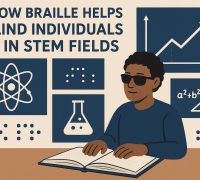
Braille’s adaptation for STEM does not stop with text. It also involves a detailed transcription of mathematical and scientific symbols, which are integral to comprehending subjects such as algebra, chemistry, and physics. The Nemeth Braille Code is a specialized system developed precisely for this purpose, providing a mechanism through which blind students can engage with complex equations, graphs, data presentations, and scientific notation. By utilizing the Nemeth Code, individuals can perform calculations, interpret scientific data, and contribute effectively to technical group projects, ensuring that the blind community can participate on an equal footing with their sighted peers.

Challenges and Innovations

Despite the myriad benefits that Braille provides, challenges persist in the realm of STEM. The process of transcribing detailed scientific content into Braille is complex and often requires educators to undergo specialized training to deliver effective support. Nevertheless, burgeoning innovations continue to mitigate these challenges. Of particular note are tactile graphics, an emergent strategy for conveying visual information such as graphs and diagrams through touchable representations. Tactile graphics play a critical role in subjects like biology, engineering, and geosciences, where visual data interpretation is a core component of the curriculum.

Emerging Technologies

Several forward-thinking organizations are at the forefront of developing state-of-the-art tools designed to fortify Braille’s application in STEM domains. Modern projects, such as creating 3D-printed models and advanced tactile readers, are enhancing the potential for blind students to understand intricate concepts that were previously less accessible. These technological innovations are finding their way into academic curricula, bridging experiential gaps and fostering diverse learning conditions that accommodate all students, irrespective of visual ability. The integration of these tools into educational practice is gradually transforming the educational landscape, making it more inclusive and engaging.

The Future of Braille in STEM

The technological landscape is ever-changing, with continuous enhancements to Braille access and usability on the horizon. Such advancements are crucial for expanding the participation of blind individuals in STEM fields, integral domains for fostering innovation and contributing to economic growth. As learning frameworks evolve to embrace inclusivity, blind professionals stand poised to make substantial contributions across various STEM disciplines. By creating educational environments that celebrate diversity and accessibility, the potential for breakthroughs and innovations by members of the blind community becomes increasingly tangible.

For more information on technological tools that support Braille learning, visit Perkins eLearning.